
Length and Measurement
Dinosaur Length
Overview
In this hands-on math and science lesson, students explore measurement and scale by physically measuring the lengths of real dinosaurs! Using either string and a yardstick or a retractable tape measure, students visualize just how large (or small!) different dinosaurs were and compare their sizes to familiar spaces like rooms, hallways, or sidewalks.
This activity builds number sense, introduces standard units of measurement, and supports spatial reasoning all while tapping into natural curiosity about dinosaurs.
Learning Goals
By the end of this lesson, students will:
- Practice measuring length using standard units (feet and yards)
- Understand that numbers represent real-world size
- Compare and order objects by length
- Make observations about scale and size differences
Choose one measurement method:
Option A: String + Yardstick
- Ball of string or yarn
- Yard or meter stick
- Scissors
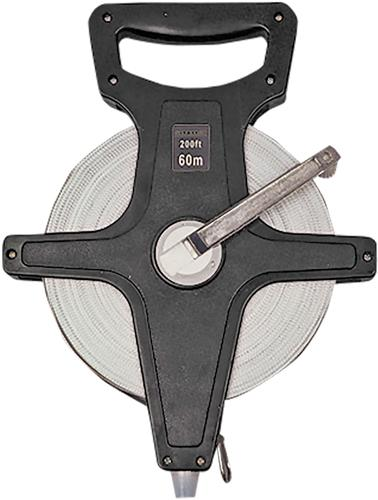
Option B: Reel Measuring Tape
- Retractable tape measure (measuring in feet) like this one I'd recommend 165 feet!
Optional:
- Paper and pencil for recording measurements
- Open space (yard, driveway, gym, or sidewalk)
(Approximate full body length)
- Tyrannosaurus rex – 40 feet
- Triceratops – 30 feet
- Stegosaurus – 30 feet
- Velociraptor – 6 feet
- Compsognathus – 3 feet
You can find lots of facts on National Geographic Kids or
Step 1: Introduce the Idea
Explain that dinosaurs weren’t just “big” or “small”—they had specific lengths, just like people or furniture. Tell your child they will measure how long each dinosaur was from head to tail.
Ask:
- “Do you think this dinosaur was longer than our couch?”
- “Would it fit inside our house?”
Step 2: Measure the Dinosaur
Using String + Yardstick
- Cut a piece of string the total length of the dinosaur (for example, 6 feet for Velociraptor).
- Use the yardstick to measure one yard (3 feet) at a time.
- Count how many yards and extra feet are needed.
- Lay the string straight on the floor or ground.
Using a Tape Measure
- Pull the tape out to the dinosaur’s full length.
- Lay it flat along the floor or ground.
- Use tape or chalk to mark the end point if helpful.
Step 3: Observe and Compare
Once the length is laid out, have your child stand next to it.
Prompt observations:
- “Is this longer or shorter than you?”
- “How many of you would it take to equal this dinosaur?”
- “Which dinosaur surprised you the most?”
Math Extensions
- Order the dinosaurs from shortest to longest
- Compare two dinosaurs: “How many feet longer is T. rex than Velociraptor?”
- Convert yards to feet together
- Compare meters to yards
Science Connections
- Discuss why some dinosaurs were small and fast while others were large and heavy
- Compare dinosaur size to modern animals
Literacy Tie-In
- Draw the dinosaur and label its length
- Dictate or write one sentence: “The Triceratops was ___ feet long.”
Younger Learners
- Add marks to the string/tape at the yards so your learner just has to count out those
- Use something your child understands better to measure. Such as shoes or pencils.
- Focus on comparison words: longer, shorter, bigger, smaller
- Record measurements in a table
- Estimate before measuring, then check accuracy
- Calculate total length of multiple dinosaurs placed end to end
Curiosity and conversation matter more than numbers (at least in this circumstance!)
What surprised you the most about measuring dinosaurs?